
Strength Training During Menopause: Why It Matters More Than Ever
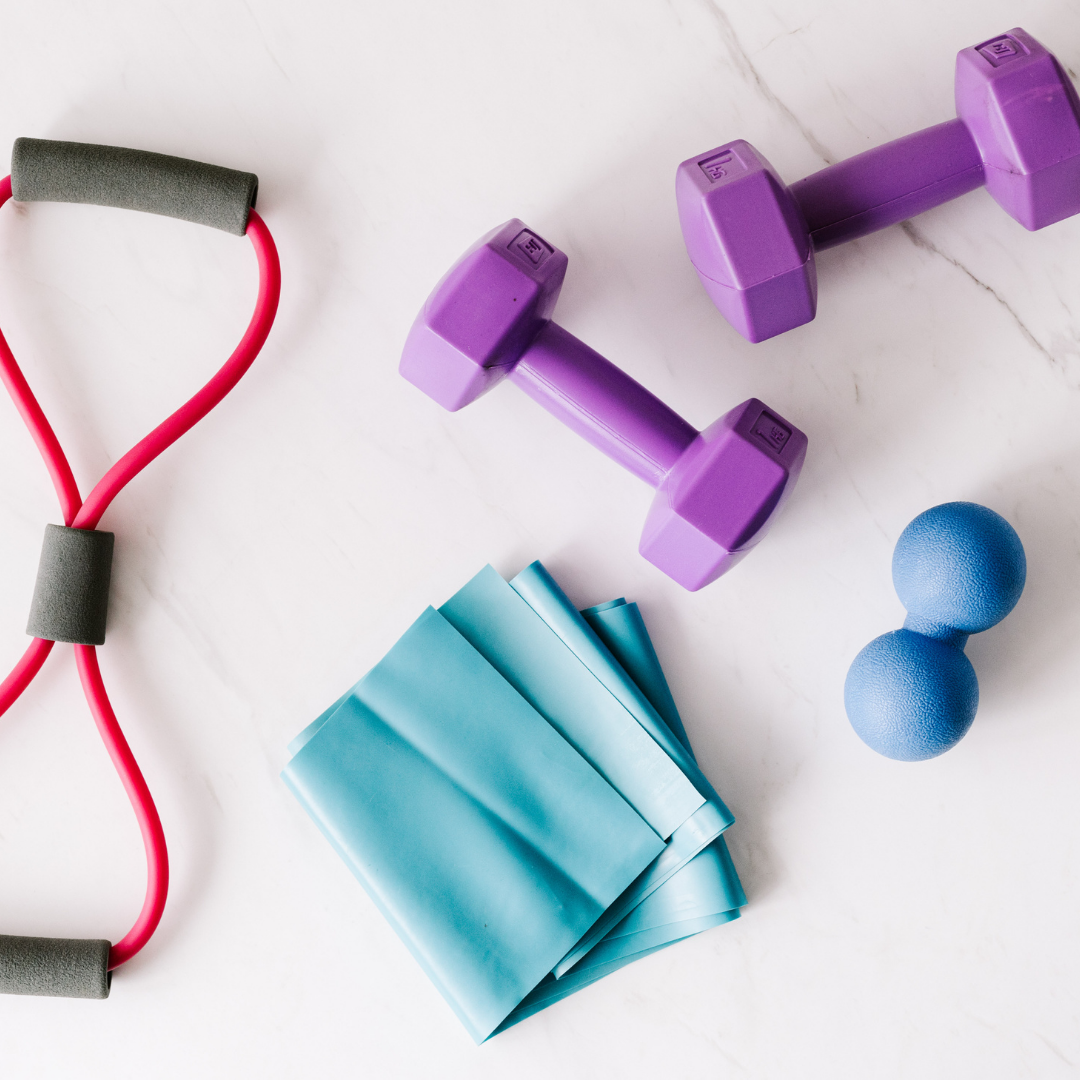
“Strength training is one of the most powerful tools women have to combat these changes.”
“Women in this stage of life benefit most from strategic, personalized strength training designed for their bodies and goals.”
Menopause is a natural stage of life, but many women are surprised by the physical changes that accompany it. One of the most significant—and often overlooked—changes is muscle loss. During menopause, hormonal shifts can accelerate muscle decline, decrease strength, and increase the risk of injury and metabolic issues.
The good news? Strength training is one of the most powerful tools women have to combat these changes.
As a strength specialist serving women in Cincinnati, I work with women every day who want to feel stronger, more confident, and more capable during this major transition. Let’s break down what’s happening in your body and how strength training can help.
Why Muscle Loss Happens During Menopause
Beginning in our 30s, adults naturally begin losing muscle mass. However, menopause accelerates this process due to declining estrogen levels.
Estrogen plays a key role in:
Muscle repair
Muscle protein synthesis
Bone density
Fat distribution
Recovery from exercise
When estrogen drops during menopause, the body becomes less efficient at maintaining lean muscle.
Research shows:
Women can lose 3–8% of muscle mass per decade after age 30.
The rate of loss can double during the menopausal transition.
Some studies suggest women may lose up to 20% of their muscle mass between ages 40–60 if they do not strength train.
Without intervention, this loss can lead to decreased strength, slower metabolism, and reduced mobility over time.
How Muscle Loss Affects Metabolism and Weight
Muscle is metabolically active tissue. That means the more muscle you have, the more calories your body burns at rest.
When muscle mass declines during menopause:
Resting metabolism decreases
Body fat percentage often increases
Insulin sensitivity may decline
Weight gain becomes easier—even without changing eating habits
Studies show that women in menopause gain an average of 1–1.5 pounds per year, much of which is fat mass rather than muscle.
Strength training helps reverse this trend by preserving and rebuilding lean muscle.
Strength Training Protects Bone Health
Another major concern during menopause is bone loss. The drop in estrogen significantly increases the risk of Osteoporosis.
Women can lose up to 10% of bone density within the first five years after menopause.
Strength training is one of the most effective ways to maintain bone density because it places controlled stress on bones, stimulating them to rebuild stronger.
Benefits include:
Increased bone density
Reduced fracture risk
Improved joint stability
Better posture and balance
Strength Training Improves Hormonal and Metabolic Health
Resistance training doesn’t just build muscle—it also improves how your body functions overall.
Research shows strength training can:
Improve insulin sensitivity
Reduce visceral belly fat
Support healthy blood sugar levels
Improve cholesterol profiles
Increase energy levels
Many women also experience improved sleep, mood, and confidence when they incorporate regular strength training into their routine.
Strength Training Helps Maintain Independence
One of the most important reasons strength training can help build muscle during menopause is functional strength—the ability to move confidently through everyday life.
Muscle loss can make daily tasks harder over time, such as:
Lifting groceries
Carrying grandkids
Climbing stairs
Getting up from the floor
Preventing falls
Strength training helps women maintain independence, mobility, and quality of life for decades to come.
How Often Should Women Strength Train During Menopause?
Most research recommends 2–4 strength training sessions per week focusing on major muscle groups.
An effective program should include:
Progressive resistance (gradually increasing weights)
Functional movement patterns
Core stability training
Proper recovery and mobility work
However, not all programs are appropriate for menopausal women. Hormonal changes, joint stress, previous injuries, and lifestyle factors should all be considered when designing a program.
This is why personalized coaching can make a huge difference.
Why Working With a Strength Specialist Matters
Menopause is not the time to follow random workouts from the internet.
Women in this stage of life benefit most from strategic, personalized strength training designed for their bodies and goals.
As an Occupational Therapist and women’s strength specialist serving women in Cincinnati, I help women:
Safely rebuild and maintain muscle
Improve metabolism and body composition
Strengthen bones and joints
Increase energy and confidence
Move better in everyday life
Every woman’s menopause experience is different. That’s why I create custom strength programs designed specifically for your body, your goals, and your lifestyle.
Ready to Feel Strong Again?
If you’re experiencing menopause and noticing changes in your strength, energy, or body composition, you are not alone—and you don’t have to navigate it alone.
Through personalized strength coaching, I help women build muscle, improve function, and feel confident in their bodies again.
If you’re ready to start strength training safely and effectively during menopause, schedule a virtual assessment today. Together we’ll evaluate your movement, discuss your goals, and build a strength plan that supports your body through this stage of life.
Your strongest years can still be ahead of you—and it starts with the right plan.