
Body Mechanics 101: The Key to Injury-Free Strength Training for Women
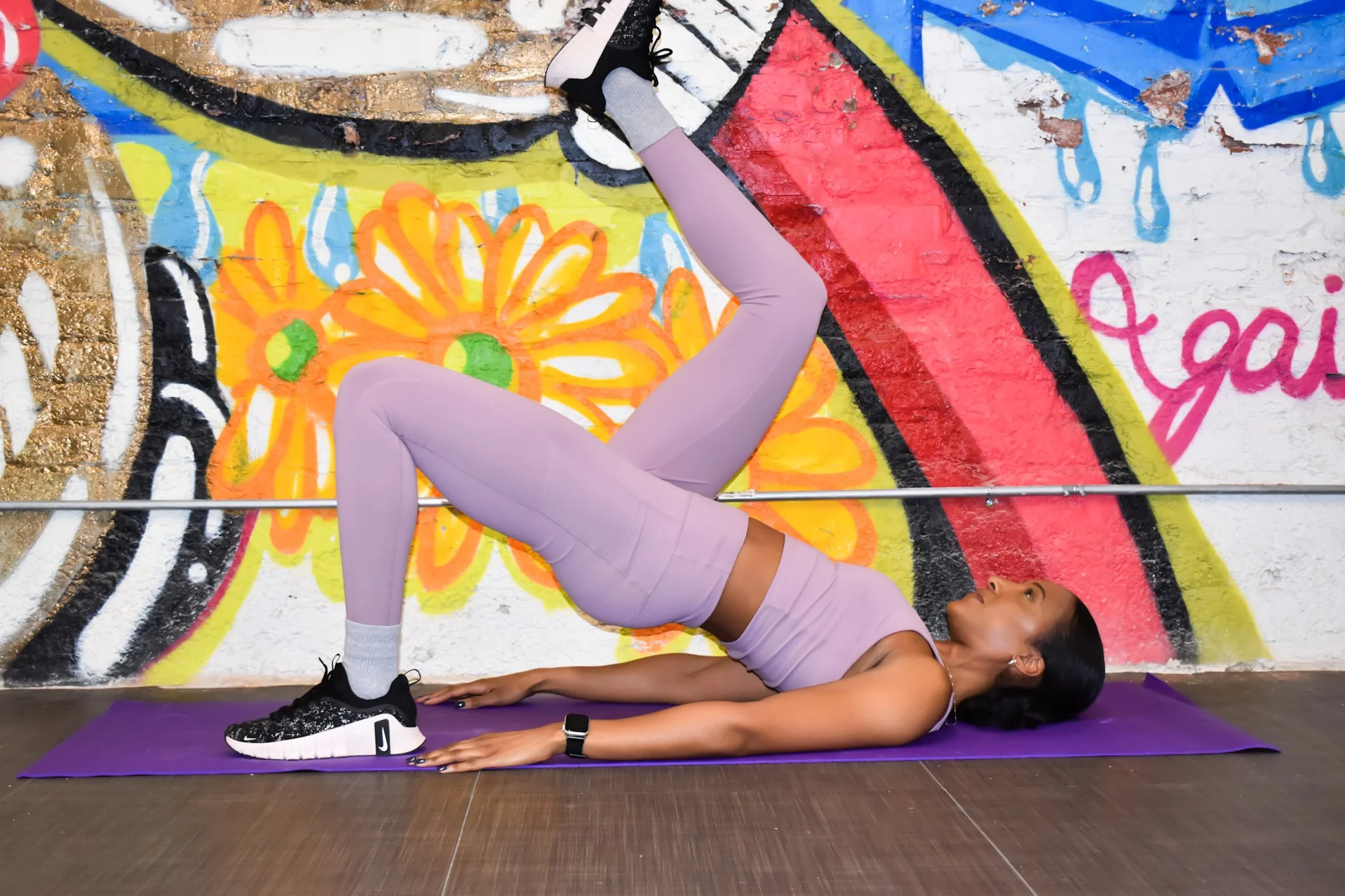
“Intensity without proper body mechanics can lead to injury, frustration, and stalled progress.
”
In today’s fitness culture, there is constant pressure to lift heavier, move faster, and sweat more. But for many women — especially during pregnancy, postpartum, or perimenopause — intensity without proper body mechanics can lead to injury, frustration, and stalled progress.
The truth is:
How you move matters more than how hard you push.
Understanding and mastering body mechanics ensures you are training safely, targeting the right muscles, and building long-term strength that supports real life.
What Are Body Mechanics in Fitness?
Body mechanics refer to the alignment, posture, muscle activation, and movement patterns used during exercise.
Good body mechanics mean:
Proper joint alignment
Correct muscle recruitment
Efficient movement patterns
Controlled breathing and core engagement
Poor mechanics often look like:
Knees collapsing inward during squats
Arching the lower back during core work
Using momentum instead of muscle control
Holding breath or bracing incorrectly
These small errors can create big problems over time.
Why Intensity Without Proper Mechanics Increases Injury Risk
Research shows that movement dysfunction and improper load management are major contributors to exercise-related injuries, particularly in women experiencing hormonal or structural changes.
When intensity increases before mechanics improve:
1️⃣ Compensations Develop
Your body will always find a way to complete a movement — even if it means using the wrong muscles.
This leads to:
Hip dominance instead of glute activation
Neck and shoulder tension replacing upper-back strength
Lower back strain instead of core stability
2️⃣ Joint Stress Increases
Improper mechanics can place excess load on ligaments and joints instead of muscles, increasing risk for:
Knee pain
Low back pain
Shoulder impingement
Pelvic floor dysfunction
3️⃣ Hormonal Changes Amplify Risk
During pregnancy, postpartum recovery, and menopause, ligament laxity, bone density changes, and muscle loss make proper mechanics even more critical.
More intensity does NOT equal better results —
Better movement equals better results.
Proper Mechanics Help You Target the Right Muscles
Many women struggle with:
“I work out but don’t see results”
“I feel exercises in the wrong places”
“My pain keeps coming back”
This often comes down to neuromuscular connection and movement quality.
When body mechanics improve:
✅ Muscle activation becomes more efficient
✅ Strength gains increase
✅ Metabolism improves
✅ Posture improves
✅ Everyday tasks feel easier
This is especially important for functional strength — the kind that helps with:
Lifting children
Carrying groceries
Preventing falls
Reducing chronic pain
Why Slowing Down Your Workouts Can Speed Up Progress
Counterintuitive but true:
Slower, controlled training builds more strength and resilience than fast, high-intensity workouts done incorrectly.
Quality movement improves:
Motor control
Stability
Muscle coordination
Long-term performance
Intensity should be progressed strategically, not rushed.
Body Mechanics Are the Foundation of Lifelong Strength
For women, fitness should not just be about aesthetics or calorie burn.
It should support:
Hormonal health
Bone density
Pelvic floor function
Injury prevention
Confidence in daily life
Mastering movement first creates a stronger, safer, and more sustainable fitness journey.
The Problem With Following Generic Workouts
Online workouts, group classes, and social media routines often:
Don’t account for postpartum recovery
Ignore pelvic floor considerations
Overlook individual mobility limitations
Progress intensity too quickly
Without individualized coaching, women may unknowingly reinforce poor movement patterns that increase injury risk.
The Bottom Line
Intensity builds fatigue.
Body mechanics build strength.
If your goal is to feel stronger, move better, and stay injury-free, movement quality must come first.
Ready to Train Smarter, Not Just Harder?
If you’re tired of workouts that leave you sore in the wrong places, stuck in pain cycles, or unsure if you’re doing exercises correctly — you don’t have to figure it out alone.
Working with a qualified women’s fitness specialist ensures:
✨ Personalized movement assessment
✨ Safe strength progression
✨ Proper muscle activation
✨ Injury-preventative programming
✨ Confidence in your body again
Your body deserves more than random workouts — it deserves strategic, expert guidance.
If you're ready to build strength safely and effectively, now is the time to start.
Let’s create a plan that supports your body, your goals, and your life. Get started today!