
Build Strength Before Baby: A Smarter Approach to Postpartum Recovery
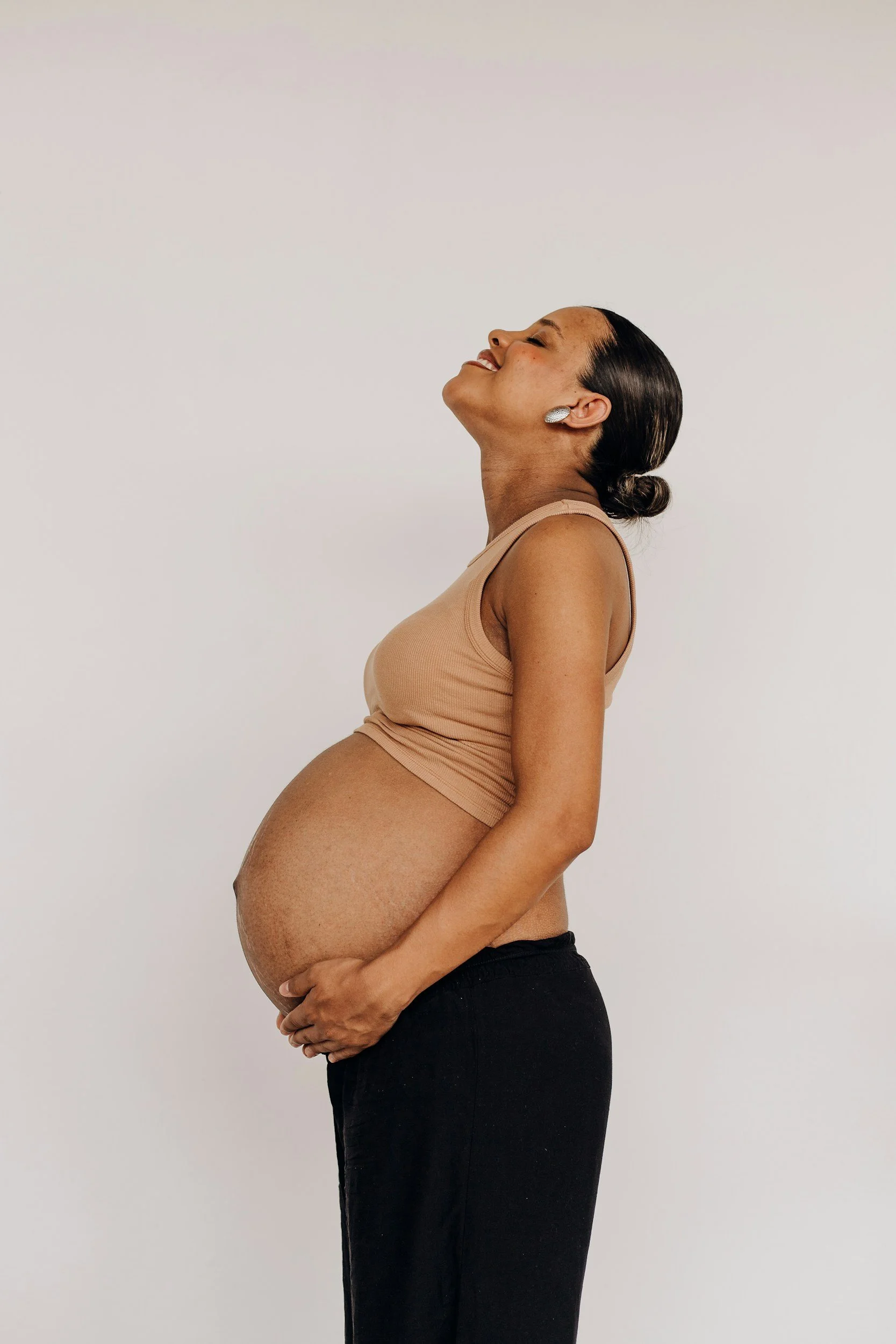
Building strength before your baby arrives can help you recover more effectively, manage the physical demands of motherhood, and regain confidence in your body after birth.
Pregnancy is often viewed as a time to prepare the nursery, attend childbirth classes, and stock up on baby essentials. While all of these things are important, there is another preparation strategy that is often overlooked: preparing your body for postpartum recovery through strength training.
Many women focus on staying active during pregnancy to support a healthy pregnancy and delivery, but strength training offers benefits that extend far beyond those nine months. Building strength before your baby arrives can help you recover more effectively, manage the physical demands of motherhood, and regain confidence in your body after birth.
Why Postpartum Recovery Starts During Pregnancy
Postpartum recovery doesn't begin after delivery—it begins during pregnancy.
The physical demands of pregnancy place significant stress on the body. As your baby grows, your center of gravity shifts, your abdominal muscles stretch, your pelvic floor adapts, and hormonal changes affect joint stability and connective tissues.
By participating in a structured strength training program during pregnancy, you are building the foundation your body will rely on after delivery. Think of it as creating a reserve of strength, endurance, and resilience that can support you during one of the most physically demanding seasons of life.
Women who maintain strength training throughout pregnancy often find that they are better equipped to handle the challenges of postpartum recovery and daily motherhood tasks.
The Physical Demands of New Motherhood
Many moms are surprised by just how physical life becomes after having a baby.
In a typical day, new mothers may:
Lift and carry a growing baby multiple times
Push strollers
Carry car seats
Bend over for diaper changes
Rock and soothe their baby
Breastfeed or bottle feed for extended periods
Get up and down from the floor frequently
These repetitive movements place stress on the back, shoulders, hips, core, and pelvic floor.
Strength training during pregnancy helps prepare these muscle groups for the workload ahead. Building strength before birth can reduce discomfort, improve movement efficiency, and help moms feel more capable as they navigate the postpartum period.
Strength Training Helps Preserve Muscle Mass
During pregnancy, many women experience changes in body composition. While weight gain is a normal and necessary part of pregnancy, maintaining muscle mass can make a significant difference in postpartum recovery.
Strength training helps:
Preserve lean muscle tissue
Improve metabolism
Support healthy weight gain during pregnancy
Enhance overall strength and endurance
Having a stronger muscular foundation before delivery can make it easier to return to exercise safely after receiving medical clearance and may support long-term recovery goals.
Building Core Strength for Postpartum Recovery
One of the biggest misconceptions about prenatal fitness is that pregnant women should avoid all core exercises.
In reality, appropriate core training during pregnancy is incredibly important.
A properly designed prenatal strength program focuses on:
Deep core activation
Breathing mechanics
Pelvic floor coordination
Core stability
Functional movement patterns
Strengthening the core during pregnancy can help women maintain better posture, manage common pregnancy discomforts, and develop awareness of the muscles that will play a key role during postpartum recovery.
After delivery, rebuilding core strength is often a priority. Moms who have already established these foundational skills during pregnancy frequently have an easier starting point as they progress through their postpartum rehabilitation and fitness journey.
Stronger Hips and Glutes Support Recovery
The hips and glutes are essential during both pregnancy and postpartum.
These muscles help:
Stabilize the pelvis
Support the lower back
Improve posture
Reduce aches and pains
Enhance overall movement efficiency
As pregnancy progresses, many women develop compensatory movement patterns due to changes in weight distribution and posture. Strength training helps maintain hip and glute strength, which can support better movement patterns both before and after birth.
Strong hips and glutes are particularly important when carrying your baby, lifting equipment, and returning to physical activity postpartum.
Strength Training May Improve Recovery Confidence
Postpartum recovery is not just physical—it is mental and emotional as well.
Many women feel disconnected from their bodies after childbirth. Strength training during pregnancy can help build confidence by teaching women how to move effectively, trust their bodies, and recognize their physical capabilities.
When women enter the postpartum period with a foundation of strength and body awareness, they often feel more empowered to navigate recovery and return to activity at an appropriate pace.
Confidence in movement can be a valuable asset during a season filled with physical and emotional adjustments.
Every Pregnancy and Recovery Journey Is Different
It's important to remember that postpartum recovery will look different for every woman.
Factors such as:
Vaginal birth versus cesarean delivery
Pelvic floor function
Diastasis recti
Previous injuries
Pregnancy complications
Overall fitness level
can all influence recovery timelines and exercise recommendations.
This is why prenatal strength training should never be a one-size-fits-all approach. A program should be tailored to your unique body, pregnancy stage, goals, and medical considerations.
Working with a qualified professional who understands prenatal and postpartum exercise can help ensure you are training safely and effectively throughout pregnancy.
The Best Time to Prepare for Postpartum Is Before Baby Arrives
While many women don't think about postpartum recovery until after delivery, the truth is that the preparation begins now.
Strength training during pregnancy is an investment in your future self. By building strength, improving movement quality, enhancing core and pelvic floor function, and preparing for the physical demands of motherhood, you can create a stronger foundation for recovery after baby arrives.
Your postpartum journey may still come with challenges, but entering it stronger, more resilient, and more confident can make a meaningful difference.
Ready to Prepare for Postpartum the Right Way?
If you're pregnant and want expert guidance on how to safely strength train throughout pregnancy while preparing for postpartum recovery, I'm here to help.
At Her Functional Strength, I specialize in helping women navigate pregnancy, postpartum, and beyond through evidence-based strength training programs designed specifically for the female body.
My online coaching program provides personalized workouts, expert support, and a structured plan that evolves with your pregnancy and recovery goals.
Don't wait until after delivery to think about postpartum recovery. Start building your foundation today.
Contact Her Functional Strength to learn more about my online coaching program and discover how strength training during pregnancy can help you feel stronger, more confident, and better prepared for life after baby.